Additional Menu

Editor In Chief

Prof. Dr. Umar, S.T., M.T
Editor In Chief
Teamplate Ijeeic


International Journal of Electrical Engineering and Intelligent Computing (IJEEIC) E-ISSN (Online) : 3031-5255 is an official publication of the Universitas Khairun. The IJEEIC is an international journal is a peer-reviewed open-access. The IJEEIC that has been published online since 2023 is open to submission from scholars and experts in the wide areas of electrical, electronics, instrumentation, control, telecommunication, and computer engineering from the global world, and publishes reviews, original research articles, and short communications. Our aim is to provide an international forum for scientists and engineers to share research and ideas, and to promote the crucial field of electrical & power engineering, circuits & electronics, power electronics & drives, automation, instrumentation & control engineering, digital Signal, image & video processing, telecommunication system & technology, computer science & information technology, internet of things, big data & cloud computing, and artificial intelligence & soft computing.
Authors are invited to submit manuscripts that fall within the scope of the IJEEIC. Please read the information on the peer-review process. The articles published in IJEEIC are going through a single-blind peer-review process. Hence, the decision on whether the scientific article is accepted or not, will be the Editorial Board right based on the peer reviewer's recommendation.
Please read and understand the author's guidelines for the preparation manuscript. The author who submits a manuscript to the editors should comply with the author's guidelines and template. If the submitted manuscript does not comply with the guidelines or using a different format, it will be rejected by the editorial team before being reviewed. The editorial team will only accept a manuscript that meets the specified formatting requirements.
Some advantages of submitting to this journal such as
Open Access Journal: All of the published manuscripts can be accessed online.
Rapid Publication: After submit manuscript finishing the review process, revision, and editing, the accepted paper will be published online soon.
Editor, reviewer, and author from the International Forum.
On Going Indexed by DOAJ & EBSCO.
The published article has a permanent page and Digital Object Identifier (DOI), making it easy to index many databases
Smartgrids Technologies & Applications
Power Systems and Applications
Circuits and Electronics
Power Electronics and Drives,
Digital Signal, Image and Video Processing
Telecommunication System and Technology
Automation, Instrumentation and Control Engineering
Adaptive controls; Advanced computing for measurement; Advanced control techniques; Advanced manufacturing systems; Applications of control theory in industry; Automated guided vehicles; Automatic process control; Automation and controls; Automation industrial applications; Autonomous and vehicle systems; Biomechatronics biosensors; Complex adaptive systems; Control and automation; Control and intelligent systems; Control networks; Control stochastic; Control system; Control theory and applications; Correction elements; Digital control; Distributed control; Dynamic simulation Man/Machine interface; Fault detection and isolation; Fieldbus technology and interfaces; Frequency response; Hybrid and switching control; Image-based control; Industrial automation; Instrumentation system elements; Linear and nonlinear control systems; Manufacturing systems and automation; Mathematical control theory; Measurement techniques; Mechatronics; Modelling and identification; Optimization and optimal control; PLC system; Predictive control; Process automation; Process control and instrumentation; Process controllers; Process optimization and scheduling; Recent developments in automation and control; Recent trends in control systems; Robotics and applications; Robotics and controls; Robust control; Sampled-data control systems and digital control; Sensors; Stirling engine electric power generation programme; Stochastic control and filtering; System identification and control; System models; System response; Systems and automation; Transducer principles; Transfer function; Underwater echo and source location; Virtual instrumentation and control; Wireless sensor network for real-time device control;
Computer Science and Information Technology
Algorithms and bioinformatics; Algorithms and data structures; Algorithms and theory sequence; Analog computing; Anti-spam mail; Anti-virus issues; Approximate computing; Authentication or authorization issues; Bioinformatics; Blockchain; Business and technical communications; Business process; Case studies and experimental and theoretical evaluations; Cloud computing (runtime systems, parallel and distributed systems, virtualization, and software-hardware interactions); Cognitive systems; Computational complexity; Computational engineering, finance, and data science; Computational theory & mathematics, geometry, and linguistics; Computer architecture and engineering; Computer architecture; Computer components and interconnection networks; Computer graphics, visualization and computer-aided design; Computer network security; Computer networks and communications; Computer organizations and architectures (multicores, accelerators, application-specific, processing-in-memory, near-data processing, and datacenters); Computer science and game theory; Computer science applications; Computer security and cryptography; Computer security; Computer vision; Computer-human interaction; Concurrent, parallel and distributed systems; Cryptography and security; Data and knowledge level modelling; Data structures, algorithms, manipulation, retrieval, storage, transmission, communication and mining; Database systems, dependable, reliable and autonomic computing; Databases, digital libraries, discrete mathematics, distributed, parallel, and cluster computing; Data base management systems (DBMS); Dependable computing; Dependable, reliable and autonomic computing; Digital fabrication; Distributed and parallel systems & algorithms, embedded system and software; Distributed computing system; E-business applications; E-commerce; Edge computing; Ethics & professional practice; Firewall; Formal languages and automata theory; Functional programming; Game and software engineering; Game construction; Geographical information systems/global navigation satellite systems (GIS/GNSS); Graphics and human-computer interaction; Grid and scalable computing; High performance computing; Human-computer interaction; Human-machine interface; Implementation of computer languages; Information, coding theory and communications technology; Information management practices; Information retrieval; Information science; Information search engine; Information systems; Information theory, learning, logic in computer science, and mathematical software; Intelligent information & database systems; Internet service architectures; Internet trust and privacy; IT governance; IT infrastructure management; IT policy and business management, mobile and ubiquitous computing; IT project management; Knowledge based management system; Knowledge discovery in data; Management and information security; Mobile and ubiquitous computing; Mobile computing; Mobile processing; Mobile, wireless networks and mobile computing; Multiagent systems; Multimedia security; Multimedia systems and services; Network engineering; Networking and communications, parallel and distributed systems; Networking and internet architecture; Networking technology; Networks and distributed systems; Neuromorphic computing; New and important applications and trends; Next generation media; Next network generation; Numerical and symbolic computation; Object oriented systems analysis and design; Online multimedia; Operating systems, performance and programming languages; Parallel and distributed systems; Parallel computing; Performance, fault tolerance, reliability, security, and testability; Pervasive computing; Programming (programming methodology and paradigm); Programming languages; Quantum computing; Scientific computing; Scientific visualization; Security and cryptography; Security and information assurance; Server administration & maintenance; Software developments; Software engineering (software: lifecycle, management, engineering process, engineering tools and methods); Software engineering, web and internet computing; Software systems; Specification, design, prototyping, and testing methods and tools; Stochastic systems; Symbolic computation; Systems analysis; Theory of computation; User interface design and evaluation; Virtual and augmented reality; Web and internet computing; Web based information systems; Web development; Wireless security system;
Artificial Intelligence and Soft Computing
Agent systems; AI algorithms; AI in modelling, simulation, scheduling and optimization; Ant algorithm; Ant colony optimization; Approximate reasoning (possibility theory, mathematical theory of evidence, fuzzy common knowledge); Artificial intelligence (theory, tools and applications); Artificial neural network (ANN); Automated reasoning, inference, and logic programming; Autonomous reasoning; Bayesian network; Bayesian statistics; Bioinformatics; Bio-inspired systems; Biologically inspired computing; Brain emotional learning; Business intelligence; Chaos theory; Chaotic systems; Cognitive science; Complex systems theory; Computational creativity; Computational theories of learning; Computer vision and speech understanding; Data and web mining; Data mining and machine learning tools; Decision support system; Deep learning; Derivative-free optimization algorithms; Differential evolution; Distributed intelligent processing; Early cybernetics and brain simulation; Emotional intelligence; Evolutionary and swarm algorithms; Evolutionary computing; Expert system; Fuzzy logics (many-valued logics, type-2 fuzzy logics, intuitionistic fuzzy logics); Fuzzy mathematics (fuzzy differential equations, fuzzy real analysis, fuzzy topology, fuzzy algebra); Fuzzy modelling and control; Fuzzy optimization (possibilistic programming, fuzzy linear and nonlinear programming, fuzzy stochastic optimization); Fuzzy set theory; Fuzzy sets (fuzzy numbers, extension principle, fuzzy rough sets, fuzzy competence sets); Fuzzy sets and fuzzy logic; Fuzzy statistical analysis (fuzzy random variables, fuzzy regression analysis, fuzzy reliability analysis, fuzzy times series); Fuzzy systems (fuzzy control, fuzzy neural networks, genetic fuzzy systems, hybrid intelligent systems); Genetic algorithm; Genetic programming; Heuristic and AI planning strategies and tools; Heuristics (ant colony optimization, artificial immune systems, genetic algorithms, particle swarm intelligence, simulated annealing, Tabu search); Hidden Markov model; Hybrid intelligent systems; Hybrid neural network; Hybrid systems (the fusion of fuzzy systems and computational intelligence); Hybridization of intelligent models/algorithms; Intelligent agents; Intelligent controller; Intelligent database systems; Intelligent information retrieval; Intelligent planning; Intelligent search; Intelligent system; Interval analysis (real interval arithmetics, complex interval arithmetics, interval equations); Interval computation (matrix computation with intervals, systems of interval equations); Interval mathematics (metric topology for intervals, interval integrals, interval differential equations); Kalman filter; Knowledge representation; Knowledge-based systems; Machine intelligence; Machine learning techniques; Metaheuristic; Miscellaneous (fuzzy data mining, fuzzy biomedical systems, pattern recognition, fuzzy clustering, information retrieval, chaotic systems); Morphic computing; Multi-agent systems; Multimedia and cognitive informatics; Multi-objective optimization; Nano and micro-systems; Natural intelligence; Natural language processing (NLP); Neural computing; Neural net systems; Neural network theory and architectures; Neural science; Neural systems; Neuro-informatics and bio-inspired models; Nouvelle AI; Operations research (fuzzy games, fuzzy inventory models, fuzzy queueing theory, fuzzy scheduling problems); Parallel and distributed realization of intelligent algorithms/systems; Parallel processing; Particle swarm optimization (PSO); Perceptron; Pervasive computing and ambient intelligence; Probabilistic models; Probabilistic reasoning; Randomized search; Reactive distributed AI; Reasoning and evolution; Recurrent neural network (RCN); Regression trees; Rough sets; Semantic web techniques and technologies; Soft computing theory and applications; Software agents; Superintelligence; Supervised and unsupervised learning; Support vector machines (SVM); Swarm intelligence and systems; Symbolic AI; Symbolic machine learning; Vision or pattern recognition; Vision recognition; Visual/linguistic perception;
Internet of Things, Big Data and Cloud Computing
Algorithms for energy-efficient, fast and secure computing in clouds; Application domains of data science and analytics in the cloud; Architectures for mobile cloud applications and services; Big data and internet of things (IoT) on the cloud; Big data applications and services; Big data computing; Big data management; Big data mining; Big data security; Business, legal, economic and operational aspects of cloud applications; Cloud applications performance and monitoring; Cloud architecture for big data; Cloud computing platforms, applications and management; Cloud federation and hybrid cloud infrastructure; Cloud foundations for connected devices and real-time analytics; Cloud infrastructure for social networking with big data; Cloud security and privacy management; Cloud traffic characterization, engineering, measurements and control-plane architectures; Cloud, utility, edge and serverless computing paradigms; Cloud-native applications and self-management in clouds; Clouds for big data and high-performance computing; Collaboration in mobile clouds; Content and service distribution; Data analysis and visualization for IoT; Data center network management, reliability, optimization; Data flow management and load balancing; Data storage in clouds; Disaster recovery in mobile clouds; Distributed data center architectures and services, SaaS, PaaS, IaaS; Distributed file storage system with cloud for big data; Economic, social and environmental impact of mobile clouds; Energy efficiency in clouds; Energy-efficient data centers and networks; Fault tolerance and reliability for big data processing on cloud; Green data centers and cloud networking; Green, energy-efficient models and sustainability issues in cloud for big data processing; Hybrid cloud computing; Innovative cloud data centre networking for big data; Inter-cloud technology for big data; Internet routing of cloud data; Intra-cloud vs. Inter-cloud management; IoT services and applications; Large-scale data intensive workflow in support of big data processing on cloud; Machine learning on big data; MapReduce with cloud for big data processing; Mobile cloud computing; Mobile cloud computing for rich media applications; Mobile cloud monitoring and management; Mobile cloud networking; Mobile cloud software architecture; Mobile device virtualization; Mobile networks for cloud computing; Mobile vehicular clouds; Modelling and simulation of large-scale cloud deployments; Multi-cloud management, aggregation and resource sharing; Multiple source data processing and integration on cloud; Network programmability, software-defined networks; Networking and communication protocols for IoT; Performance evaluation and modeling for IoT; Performance evaluation of mobile cloud computing and networks; Physical security and data location; Process offloading for mobile cloud computing; Resource scheduling and sla for big data on cloud; Scalability of mobile cloud networks; Scalable big data frameworks, platforms and visualisation solutions; Security and privacy in mobile clouds; Security, privacy and trust in big data processing on cloud; Security, privacy and trust in IoT; Security, privacy, and confidentiality in cloud networking; self-organizing mobile clouds; Sensor networks, remote diagnosis and development; Service discovery and interest matching in mobile cloud; Services computing; Software engineering for cloud-native applications and systems; Storage and computation management in cloud for big data; Storage area networks, optical interconnect, fiber channels; Technological focus for smart environments; Trends in mobile cloud applications and services; Unified user and machine mobility management; User friendly cloud access for big data processing; Virtual ethernet switching, data center bridging; Virtualization and visualization of big data on cloud; Virtualization, containerization and acceleration technologies; Virtualization of network equipment; Virtualization of resources in clouds; Wireless and mobility support in cloud data center for big data;
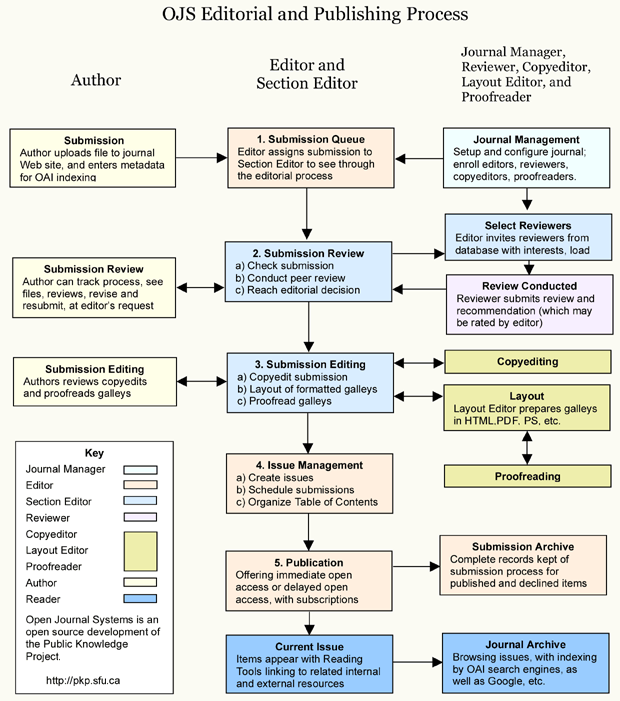
The process can be described as follow.
Review Outcomes
Utilizing feedback from the peer review process, the Editor will make a final publication decision. The review process will take approximately 8 to 14 weeks. Decisions categories include:
This journal is published two times a year Desember and June
This journal provides immediate open access to its content on the principle that making research freely available to the public supports a greater global exchange of knowledge.


International Journal Of Electrical Engineering And Intelligent Computing
Departement of Electrical Engineering, Faculty of Engineering, Universitas Khairun,
Address: Yusuf Abdulrahman No. 53 (Gambesi) Ternate City - Indonesia
Email: ijeeic.unkhair@gmail.com
International Journal of Electrical Engineering and Intelligent Computing (IJEEIC), Universitas Khairun This work is licensed under a Creative Commons Attribution-NonCommercial-ShareAlike 4.0 International License.